Home / Articles
Still Waiting for Your Hip Pain to Go Away? It’s Time for a Real Solution
Home / Articles
Still Waiting for Your Hip Pain to Go Away? It’s Time for a Real Solution
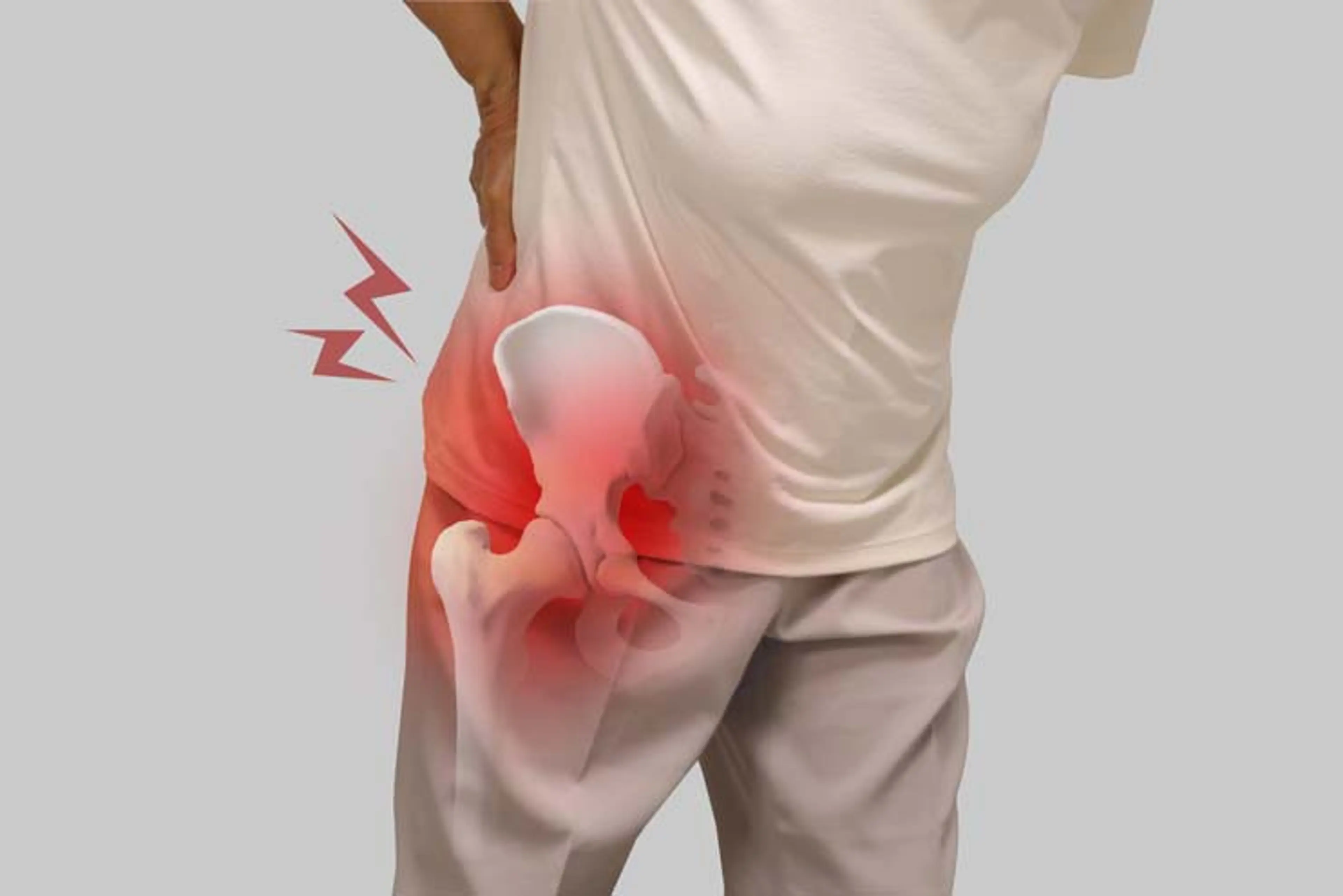
Hip pain has a way of sneaking into daily life quietly. At first, it might only bother you when climbing stairs or sitting for too long. Then one day, you realize it’s affecting how you walk, how you sleep, and even how you feel emotionally. Many of our patients at Banpo Newborn Korean Medicine Clinic tell us the same thing: they waited. Weeks turned into months, months into years, and the pain never truly disappeared.
To be honest, hip pain rarely “just goes away” on its own—especially when it’s rooted in structural imbalance. And that’s exactly why it’s time to talk about real solutions, not temporary relief.
In modern life, especially in Korea’s fast-paced urban environment, hip pain is often brushed off as a side effect of aging, overwork, or poor posture at the desk. Painkillers, stretching videos, or massage chairs become the go-to solutions. While these may provide short-term comfort, they rarely address the underlying cause.
From a Korean medicine perspective, the hip joint is not an isolated structure. It’s a central hub where the spine, pelvis, legs, muscles, and nervous system all intersect. When something is off—even slightly—it creates a chain reaction throughout the body.
Hip pain is not just a local problem. It’s often a signal that your body’s alignment and balance have already been compromised.
One of the most common findings we see in patients with hip pain is pelvic imbalance. This can occur due to long hours of sitting, uneven posture, previous injuries, childbirth, or even emotional tension that manifests physically over time.
When the pelvis tilts or rotates, one hip ends up bearing more weight than the other. Muscles tighten unevenly, joints wear down faster, and nerves become irritated. The pain you feel in your hip may actually originate from the lower spine or sacroiliac joint.
The body is incredibly intelligent. When one area is unstable, it compensates. Unfortunately, compensation often leads to overuse injuries.
For example, if your spine is slightly misaligned, your gait changes without you noticing. Over time, the hip joint absorbs stress it was never designed to handle alone. This is why many patients are surprised when their hip pain persists despite treating the hip directly.
Conditions such as hip osteoarthritis don’t appear overnight. They develop gradually when joints are subjected to uneven pressure for years. Without correcting alignment, treatments that focus only on inflammation or pain suppression are like placing a bandage on a cracked foundation.
Many people delay seeking proper care because the pain fluctuates. On good days, it feels manageable. On bad days, it’s exhausting—but still tolerable enough to push through.
The problem is that structural imbalance doesn’t stay static. It progresses.
At Banpo Newborn Korean Medicine Clinic, we often see patients who waited until hip pain began affecting their knees, lower back, or even neck. What started as a local discomfort became a whole-body issue.
Hip pain changes how you move. Changed movement alters posture. Altered posture strains the nervous system. Over time, this can lead to chronic fatigue, headaches, and even sleep disorders.
Waiting isn’t neutral—it’s often an active contributor to worsening symptoms.
Traditional Korean medicine emphasizes harmony—between structure and function, tension and relaxation, movement and rest. Pain is understood not just as tissue damage, but as a disruption in flow and balance.
From this perspective, hip pain is often a sign that the body has lost its spatial alignment. Muscles pull where they shouldn’t. Joints compress unevenly. Energy and circulation become restricted.
This is why Banpo Newborn’s approach does not focus solely on the painful area. We assess how the spine, pelvis, and hips relate to each other as a three-dimensional system.
SART is not forceful manipulation. It is a precise, non-invasive technique designed to restore the spine and pelvis to their optimal spatial position. By correcting the foundation, hip joints are relieved of excessive strain naturally.
Many patients report something unexpected after SART—not just reduced pain, but a sense of lightness when walking, standing, or even breathing.
Rather than focusing on single vertebrae or isolated joints, spatial spinal correction looks at how the body exists in three dimensions. Slight rotations or shifts that don’t appear dramatic on standard imaging can still create significant functional problems.
By correcting these subtle distortions, pressure on the hip joint decreases, muscle tension redistributes evenly, and movement becomes more fluid.
No two hip pain cases are identical. A runner in their 30s, a postpartum mother, and an office worker in their 50s may experience hip pain for entirely different reasons.
At Banpo Newborn, every treatment plan is personalized. We take time to understand your daily habits, medical history, emotional stressors, and movement patterns. Healing is not rushed—it’s guided.
One patient, a woman in her early 40s, came to the clinic after years of right-sided hip pain. She had tried physical therapy, injections, and even considered surgery. Nothing lasted.
During her initial assessment, it became clear that her pelvis was rotated due to an old ankle injury she barely remembered. Her body had been compensating for over a decade.
After a series of spinal and pelvic corrections, her hip pain gradually diminished. But what surprised her most was that her chronic lower back stiffness disappeared as well.
Surgery has its place, but it should never be the first or only option for hip pain—especially when the root cause is misalignment rather than irreversible damage.
Non-invasive correction allows the body to heal itself. When structure is restored, muscles relax, circulation improves, and joints regain their natural range of motion.
In Korean medicine, the goal is not to overpower the body, but to guide it back into balance.
You shouldn’t ignore hip pain if:
It persists for more than a few weeks
It worsens when sitting or walking
One leg feels shorter or heavier than the other
You notice lower back or knee pain developing alongside it
You rely on painkillers to get through the day
These are not just symptoms—they are messages.
If you’ve been told your hip pain is something you’ll have to live with, we want you to know this: many of our patients were told the same thing before they came to Banpo Newborn.
When the root cause is addressed—when alignment is restored and the body is given the right conditions—change is possible. Sometimes it’s gradual, sometimes it’s surprisingly quick. But it begins with understanding.
At Banpo Newborn Korean Medicine Clinic, we believe real solutions begin with listening to the body, respecting its design, and restoring balance at the foundation.
You don’t have to live around the pain. You don’t have to accept limitation as your new normal.
A thorough spinal and pelvic evaluation could be the turning point—not just for your hips, but for your overall quality of life.